01
Leach and electrowin
Metals are leached from soil into solution. Harmful metals are precipitated. Copper and zinc are then produced by electrolysis at 99.9% purity.
Capabilities
Four process families, specified in enough detail for a technical reading: electrolytic production and purification; by-product enrichment of EAF dust and non-ferrous slags; rotary melting, roasting, and drying furnaces; and complete flotation lines.
Electrolytic metal production
Three routes are offered. Each finishes by taking metal from the cathode — or, for precious metals recovered from secondary feeds, by casting ingots — at 99.9% purity.
Metals are leached from soil into solution. Harmful metals are precipitated. Copper and zinc are then produced by electrolysis at 99.9% purity.
Waste scrap metals are melted and cast as an anode plate. Electrolysis extracts the valuable metals; pure metal is taken from the cathode, melted, and cast as ingots.
Electronic waste and recyclable products that contain precious metals are separated. After an anode is cast, gold, silver, platinum, palladium, and related metals are extracted and cast as ingots at 99.9% purity.
By-product enrichment · EAF dust
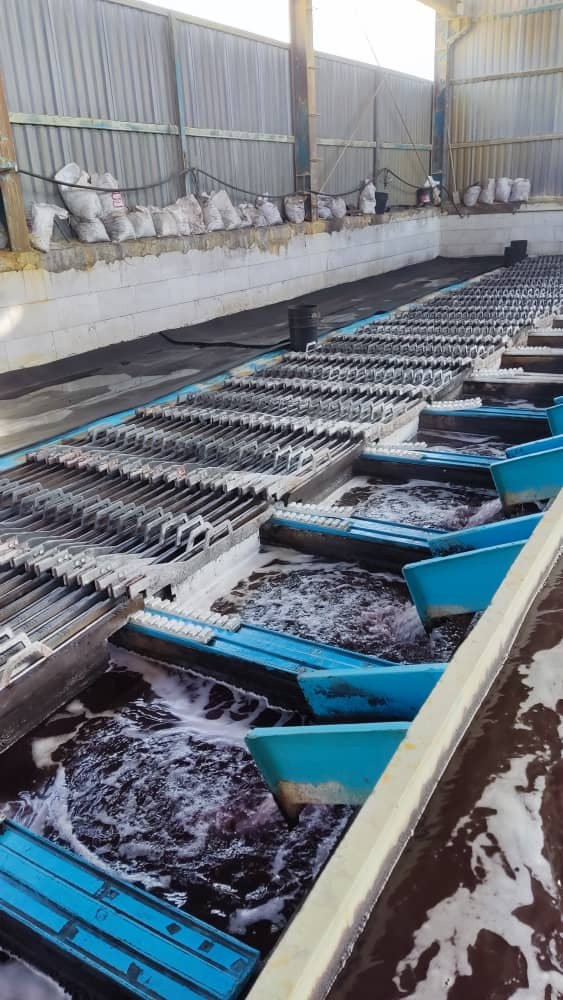
Electric arc furnace (EAF) dust is a zinc-bearing by-product of steelmaking, in which zinc is present mainly as zinc oxide and zinc ferrite. Atlantic Project’s route for this feed is flotation, then leaching, then zinc electrowinning.
The dust is pre-treated by flotation ahead of leaching, separating unwanted fractions such as carbon from the zinc-bearing material.
The prepared material is leached and zinc is taken into solution.
Impurities are removed before electrowinning. Typical practice includes cementation of lead, cadmium, and copper with zinc dust, and removal of chlorides and fluorides.
Zinc is recovered as cathode metal by electrolysis, and can be melted and cast into ingots. This step draws on the company’s existing electrolysis capability, which targets 99.9% purity for zinc.
For funders: the route turns a steelmaking residue into recovered zinc metal — a circular recovery pathway consistent with the company’s existing scrap and electronic-waste recovery work.
By-product enrichment · Non-ferrous slags
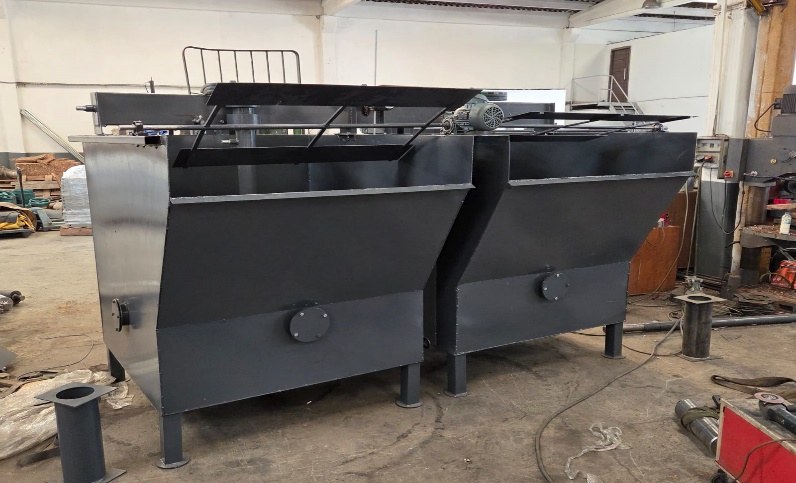
Slags, drosses, and skimmings from non-ferrous smelting and casting still carry recoverable metal. Atlantic Project applies the same equipment it builds for ore enrichment — crushing, grinding, flotation, rotary melting, and electrolysis — to bring that metal back into production.
The slag is crushed and ground to free the copper-bearing phases, then concentrated by flotation. The concentrate can be returned to smelting or taken through leaching and electrowinning to copper cathode.
Dross and skimmings are crushed and screened to separate the metallic fraction, which is melted in a rotary furnace and cast as ingots. Chimney treatment uses the same cyclone and bag-filter hardware as the rest of the thermal range.
Zinc-bearing residues from galvanising and smelting are melted to recover metallic zinc, or leached, purified, and electrowon to zinc cathode, alongside the EAF dust route above.
Each by-product is different in composition. Routes are confirmed by laboratory testing of the client’s material before plant design; recovery rates are not published here.
Thermal equipment
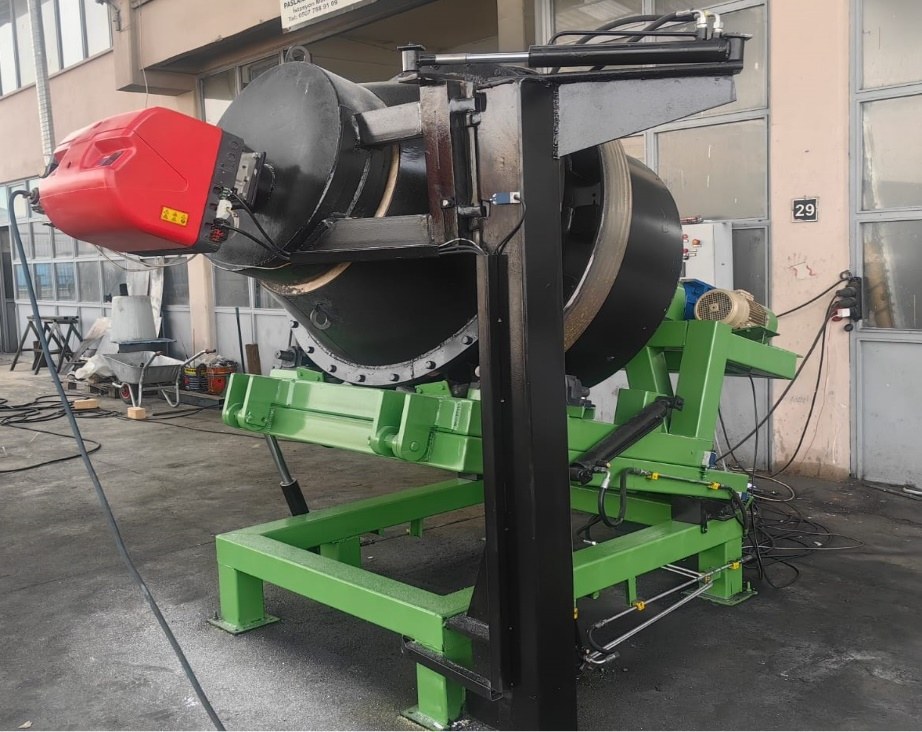
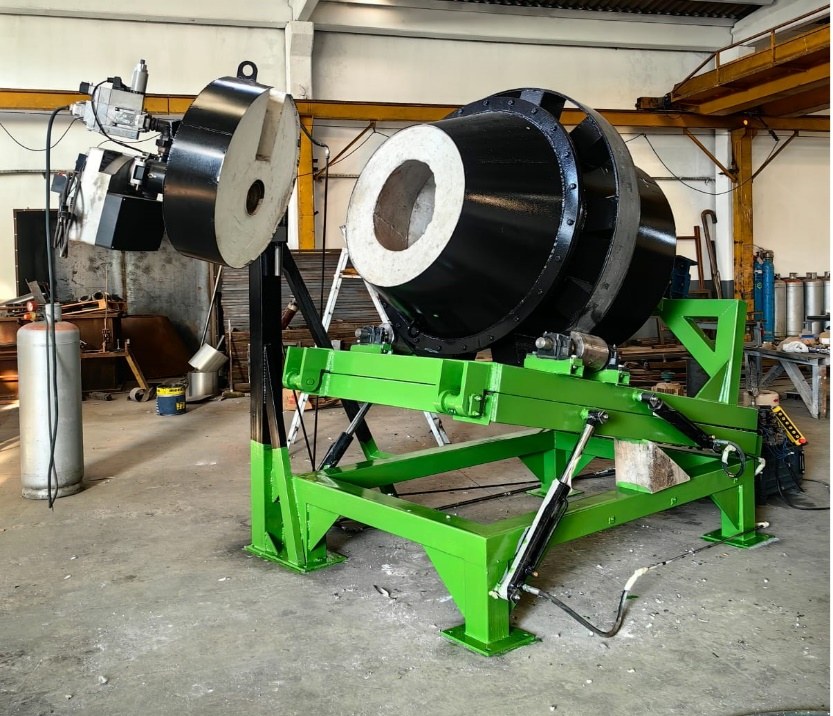
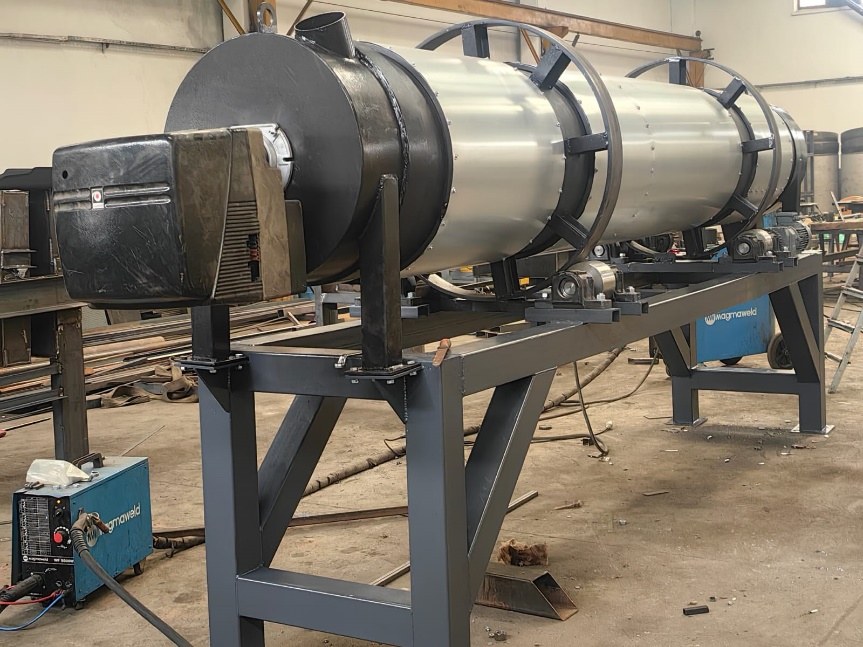
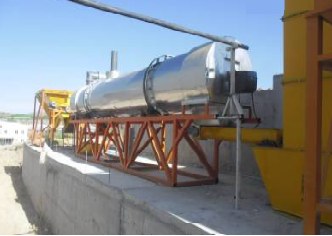
Fuels across the range are natural gas, LPG, and diesel. Filling, emptying, temperature, and chimney treatment are specified below as published by the company — not as a performance guarantee.
| Application | Metal and ore melting |
|---|---|
| Fuel | Natural gas, LPG, diesel |
| Filling and emptying | Hydraulic lid, hydraulic lifting, hydraulic emptying |
| Internal insulation | 95 alumina refractory concrete |
| Internal refractory | Alumina brick |
|---|---|
| Fuel | Natural gas, diesel, LPG |
| Temperature | 600–900 °C |
| Operating mode | Continuous inlet and outlet |
| Chimney treatment | Cyclone and bag filter |
| Internal refractory | Non-refractory |
|---|---|
| Fuel | Natural gas, diesel, LPG |
| Temperature | 100–400 °C |
| Operating mode | Continuous inlet and outlet |
| Chimney treatment | Cyclone and bag filter |
Mineral enrichment
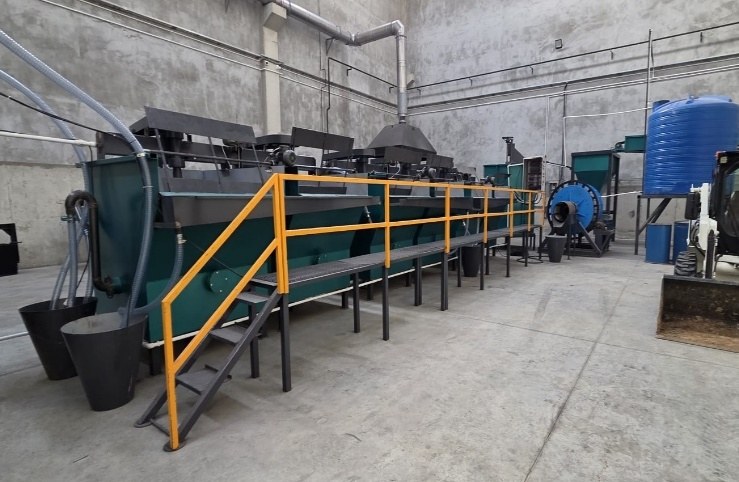
The company manufactures flotation cells and installs complete flotation plants. Cells are supplied at 1.4 t and 2.8 t.